- July 20, 2026
- Posted by: Tresmark
- Category:
No Comments
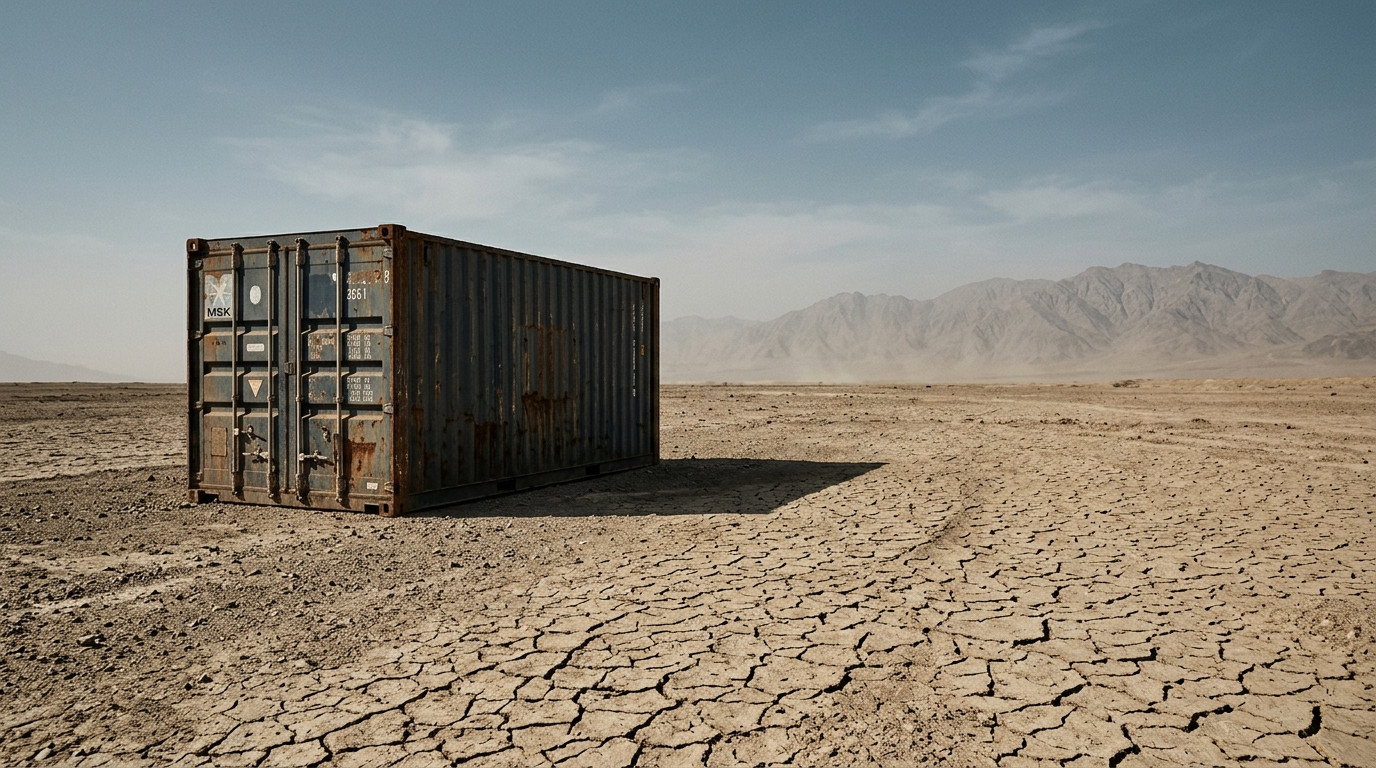
Pakistan's transit trade with Afghanistan dropped to a historic low in FY2025-26, with cargo declining to 11,592 containers worth $367 million, compared with nearly 89,000 containers valued at $5 billion before the Taliban returned to power.
While Pakistan's decision to close its border with Afghanistan in October 2025 over security concerns accelerated the decline, analysts say transit trade had already been weakening as Kabul increasingly shifted trade through Iran and Central Asia to reduce its reliance on Pakistani ports.
Official data show Afghan transit through Pakistan expanded steadily between FY17 and FY21, rising from around 60,500 containers to almost 89,000 containers. Following the Taliban's return to power, transit volumes briefly peaked at 102,886 containers worth $6.7 billion in FY23, before falling to 54,114 containers in FY24 and 42,959 containers worth $1.36 billion in FY25.
The decline continued sharply in FY26, reflecting Afghanistan's growing use of alternative trade corridors.
Reverse transit trade, which allows Afghan exports to reach third countries through Karachi ports and the Wagah border, also collapsed from $454 million in FY25 to just $7 million in FY26, effectively bringing the long-established trade route to a standstill.
According to the World Bank's Afghanistan Economic Monitor 2026, Afghanistan's imports increased 15% to $13.2 billion in FY25, with Iran accounting for 31.3% of total imports. Including transit routes, Iran handled 48.6% of Afghanistan's imports, underscoring the country's growing dependence on Iranian corridors.
The report noted that the shift away from Pakistan has increased transport and logistics costs, disrupted traditional trade routes, reduced Afghan export opportunities, and added inflationary pressure by raising the prices of essential goods.
The slowdown has also affected thousands of workers dependent on cross-border commerce, including transport operators, customs agents, warehouse workers, and other businesses on both sides of the border.