- July 15, 2026
- Posted by: Tresmark
- Category:
No Comments
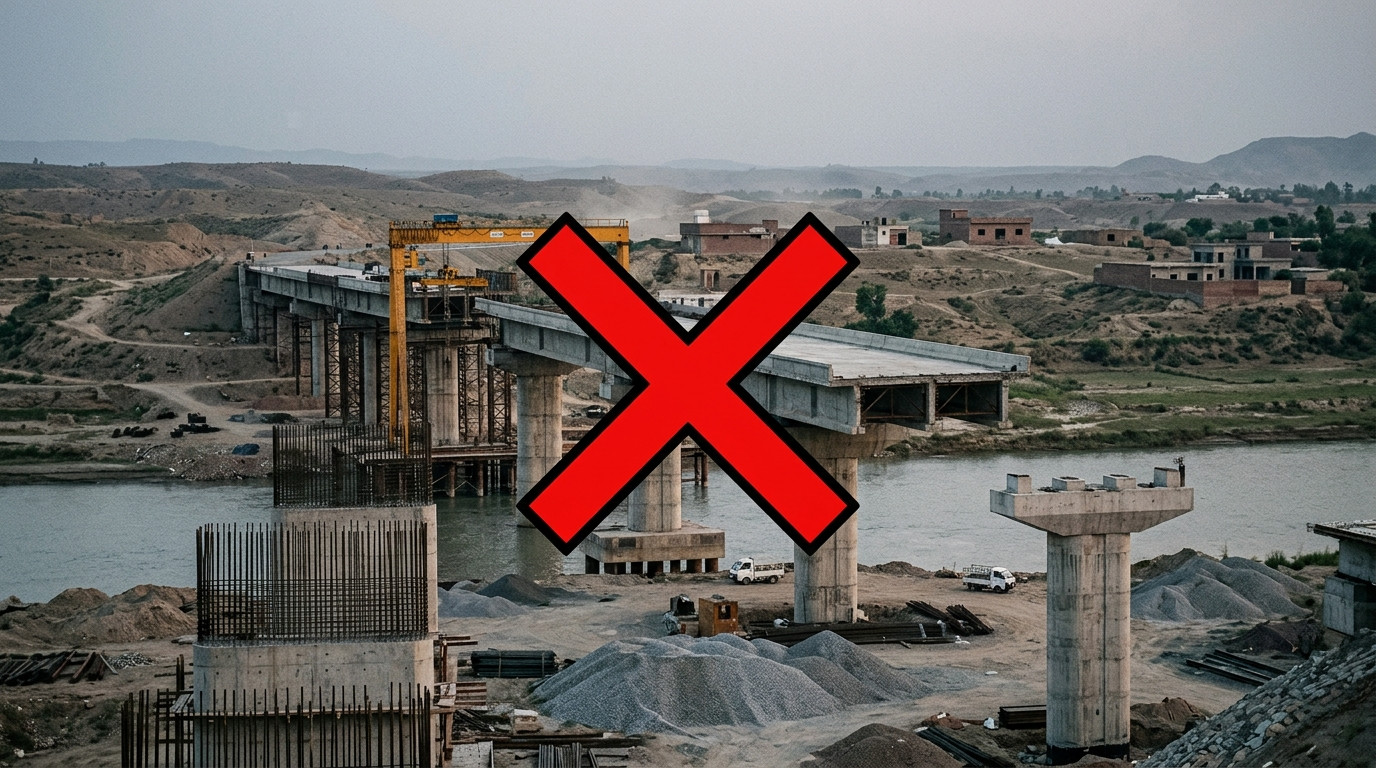
The World Bank has removed four proposed development projects for Pakistan with a combined estimated value of USD 1.128 billion, dealing a setback to the country's development financing pipeline, according to the Bank's official documents.
The projects dropped from the pipeline include the USD 400 million Sindh Transformational Accelerated Rural Water Supply, Sanitation and Hygiene Services (STAR-WASH) Project, the USD 300 million Punjab Agri-Food Modernisation and Competitiveness Program, the USD 155 million Integrated Flood Resilience and Adaptation Project, and a USD 273 million nutrition and child stunting reduction initiative in Punjab.
World Bank documents indicate that all four projects have been marked as "dropped," with some failing to progress beyond the concept review stage despite being under preparation.
Responding to queries, a World Bank spokesperson said discussions with the Government of Pakistan are continuing, noting that the projects are at different stages of preparation and that consultations are underway to determine the way forward.
The STAR-WASH Project was designed to expand access to safely managed water supply, sanitation, and hygiene services in selected rural areas of Sindh. It was planned under the Multiphase Programmatic Approach (MPA) with a total estimated investment of USD 2.55 billion, including USD 1.4 billion in World Bank financing through IDA/IBRD, along with USD 900 million in counterpart funding and support from other development partners. The project was scheduled to run from FY26 to FY35.
The Punjab nutrition initiative aimed to improve dietary diversity and nutrition among rural households, particularly families with children under two years of age, newly married women, and pregnant and lactating mothers. The project formed part of the World Bank's integrated strategy to address Pakistan's high child stunting rate, which affects around 40% of children under the age of five. The initiative was designed to combine interventions in water and sanitation, healthcare, nutrition, early childhood development, and social protection in selected districts of Punjab.
The Integrated Flood Resilience and Adaptation Project sought to improve livelihoods, restore essential services, and strengthen flood protection for communities affected by the devastating 2022 floods.
Meanwhile, the Punjab Agri-Food Modernisation and Competitiveness Program was intended to enhance agricultural productivity, climate resilience, and incomes for smallholder farmers across selected value chains. The program also aimed to attract greater private investment in agribusiness, create employment opportunities, improve farmers' integration into agricultural value chains, and promote the sustainable management of natural resources, including soil health and water resources.
The removal of these projects represents a significant reduction in Pakistan's planned development financing, although discussions between the World Bank and the government remain ongoing regarding their future.