- July 9, 2026
- Posted by: Tresmark
- Category:
No Comments
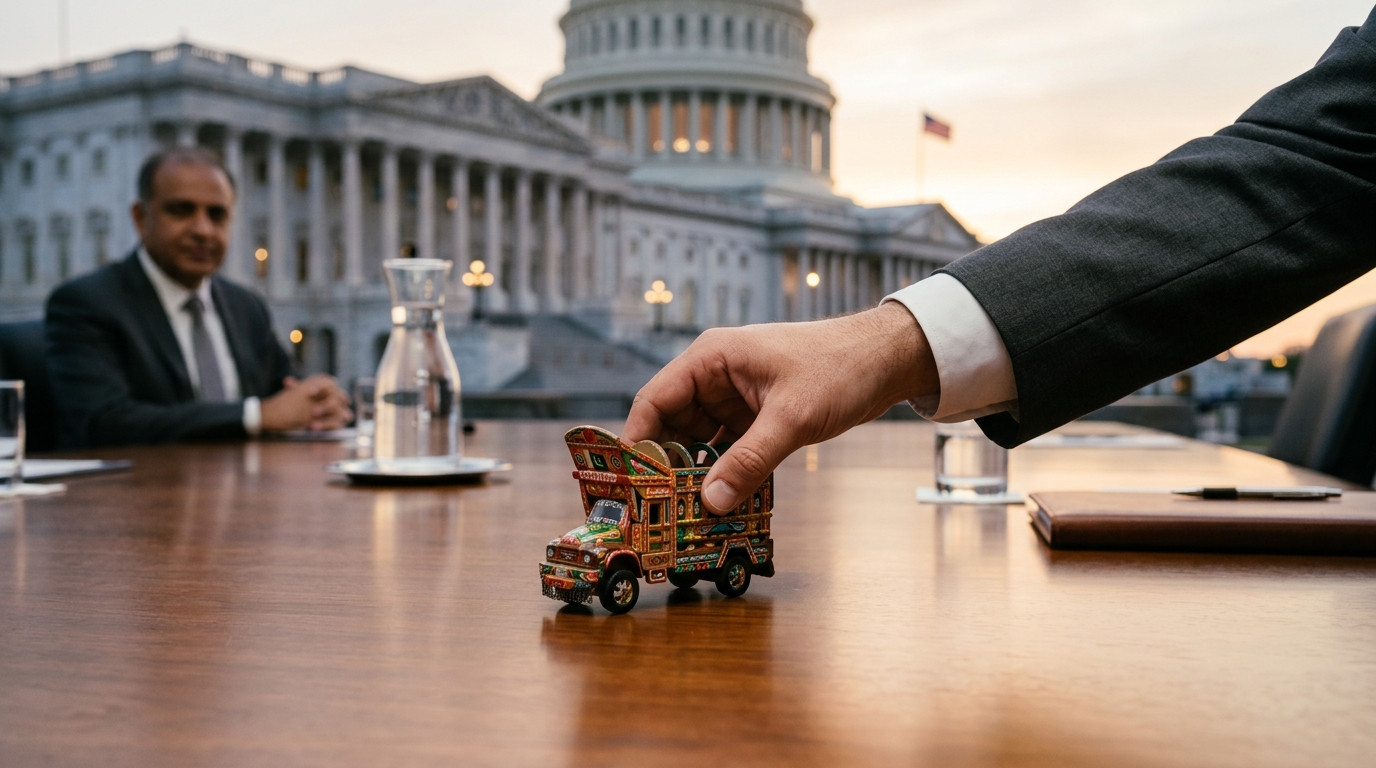
Pakistan and the United States are set to begin two days of trade negotiations in Washington on Thursday, with tariff relief expected to top the agenda as Islamabad pushes for lower US import duties while advancing discussions on a broader bilateral trade agreement.
The latest round of talks follows months of negotiations over the tariff regime announced by US President Donald Trump on April 2, 2025, under the International Emergency Economic Powers Act (IEEPA), which initially imposed a 29% tariff on Pakistani exports.
According to officials familiar with the discussions, a Pakistani delegation that visited Washington in July 2025 successfully persuaded US authorities to reduce the proposed tariff to 19% following negotiations with the Office of the United States Trade Representative (USTR).
The Pakistani delegation, led by Commerce Secretary Jawad Paul, also includes Foreign Office spokesperson Tahir Andrabi and other senior officials. The negotiations, scheduled for Thursday and Friday, will also focus on finalising the framework for a new bilateral trade agreement.
The tariff landscape has shifted following a US Supreme Court ruling earlier this year that struck down the IEEPA-based tariffs. In response, the Trump administration invoked Section 122 of the Trade Act to impose a temporary 10% global tariff, which is set to expire on July 24 after the statutory 150-day period.
Pakistan is also among nearly 60 countries facing Section 301 investigations by the USTR over alleged forced labour and related trade practices. Islamabad has submitted detailed responses to the USTR, including an additional submission ahead of the latest negotiations. Under the proposed Section 301 measures, Pakistan could face an additional 10% tariff, while India and 53 other countries are subject to proposed tariffs of 12.5%. Public hearings on the matter remain ongoing.
President Donald Trump has indicated that Washington is open to negotiating a more favourable trade arrangement with Pakistan. In a recent post on Truth Social, he highlighted Pakistan's significant oil and gas reserves, saying US teams would explore energy investment opportunities and suggesting Pakistan could eventually export oil and gas to India.
Beyond tariffs, both sides are expected to discuss measures to strengthen bilateral trade and investment ties through a broader trade agreement.
The United States remains Pakistan's largest single country export destination, while Pakistan is the second-largest importer of US cotton, highlighting the strategic importance of trade relations between the two countries.