- July 8, 2026
- Posted by: Tresmark
- Category:
No Comments
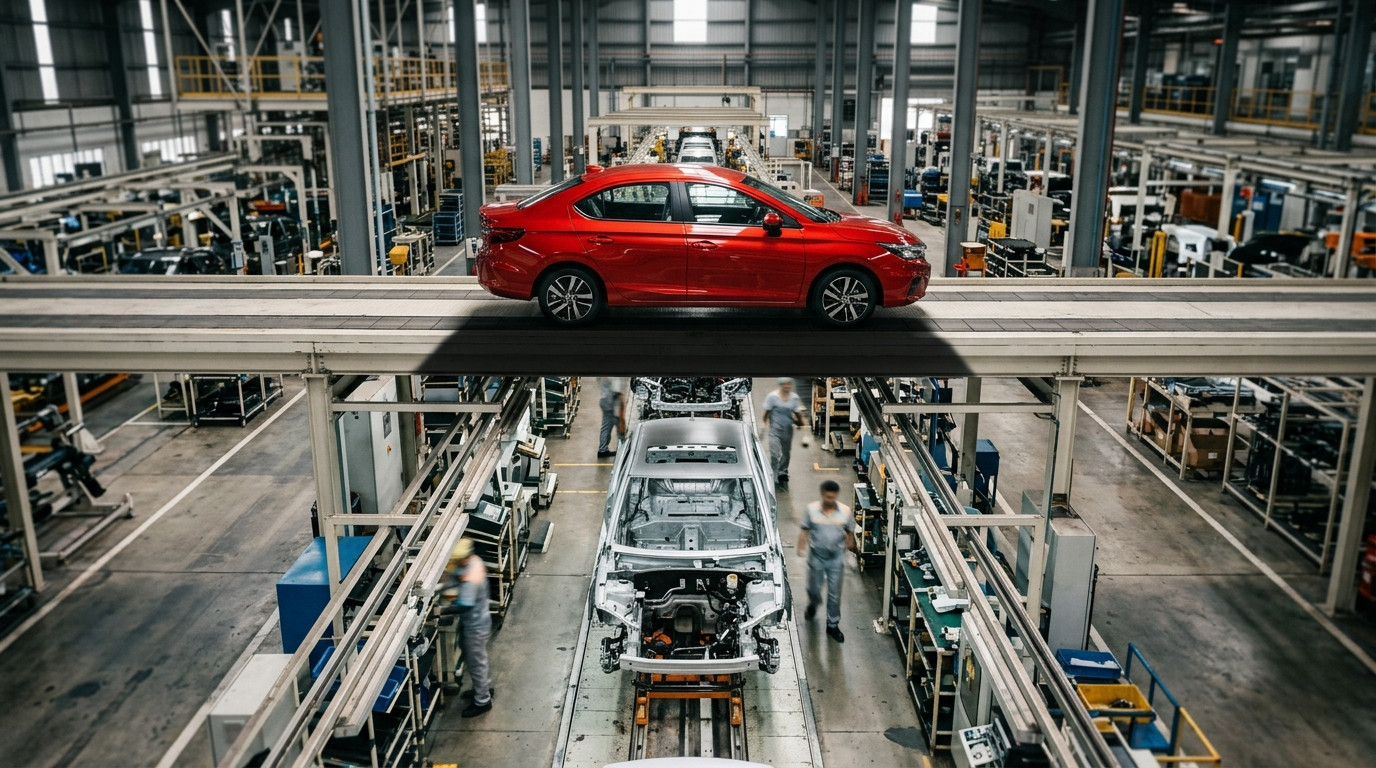
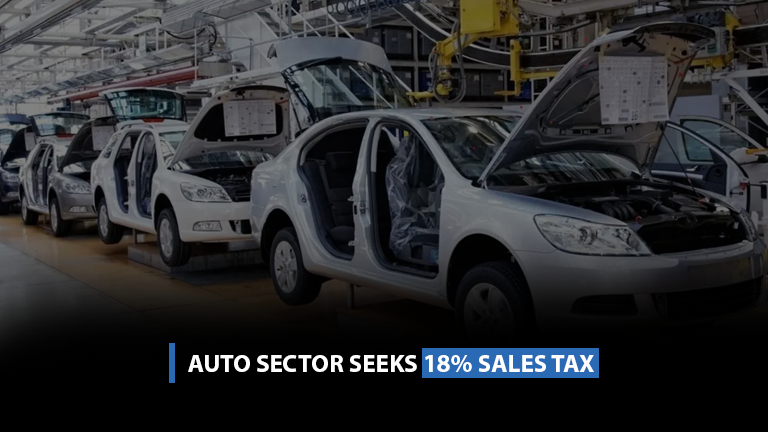
Pakistan's automotive industry has urged the government to reverse the recent reduction in tariffs on completely built-up (CBU) vehicle imports, warning that the move could undermine local manufacturing, investment, and employment.
Under the revised tariff regime effective July 1, 2026, the tariff on CBU imports has been reduced from 50% to 30%, narrowing the protective gap between imported vehicles and completely knocked-down (CKD) assembly from 35 percentage points to 15 percentage points. CKD tariffs remain unchanged at 15% for non-localised parts and 46% for localised components.
Industry representatives argue that the revised structure has created a pricing imbalance, with fully imported motorcycles now attracting a lower import duty than many locally manufactured components, weakening incentives for domestic production and localisation.
SM Engineering Chief Executive Officer SM Ishtiaq said the reduced tariff differential threatens not only vehicle assemblers but also Pakistan's broader auto parts vendor network. He noted that while CBU imports place greater pressure on foreign exchange reserves, local assembly retains more value within the domestic economy and supports industrial development.
He further warned that the policy could favour foreign manufacturers with established import supply chains while disadvantaging companies that have invested heavily in local production, potentially reversing years of progress in localisation and industrial expansion.
According to industry representatives, Pakistan's two-wheeler industry supports more than 500,000 direct and indirect jobs across manufacturers, parts suppliers, and dealerships. They noted that established motorcycle models now incorporate 85–90% locally produced components, a level of localisation achieved through decades of investment supported by protective tariff policies.
The industry has called on the government to withdraw the recent tariff reduction and adopt any future tariff rationalisation through a transparent, phased roadmap developed in consultation with domestic manufacturers and other stakeholders to safeguard long-term industrial growth and investor confidence.