
- March 27, 2026
- Posted by: Tresmark
- Categories:
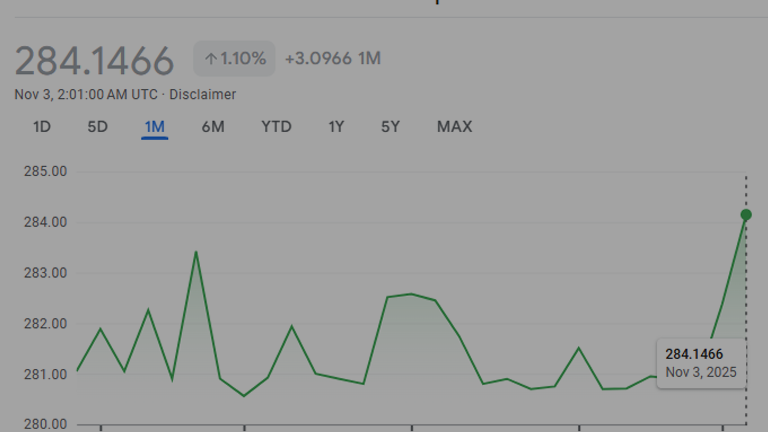
USD to PKR Forecast 2026
Exchange rate forecasts often attract attention, especially in uncertain environments. Many look for a single number to define where the currency will settle. In practice, the USD/PKR path is rarely that precise.
A 2026 outlook depends on how key forces evolve over time external payments, remittances, inflation, reserves, and global conditions. Forecasting is less about predicting an exact level and more about understanding the range and direction of movement.
Why USD/PKR Forecasting Remains Uncertain
Exchange rates respond to multiple forces simultaneously. Import demand, debt repayments, and policy decisions operate on fixed timelines, while inflows and global conditions shift more unpredictably.
A forecast built today depends on assumptions that may change quickly:
- global dollar strength can shift direction
- domestic inflation can alter cost structures
- financing conditions can tighten or ease
For this reason, forecasts should be viewed as scenarios, not fixed outcomes.
Key Drivers of USD/PKR in 2026
Remittances and Inflows:
Remittances remain a critical source of dollar supply for Pakistan. Stable inflows can ease pressure on the exchange rate, while any slowdown tightens liquidity in the system.
Import Demand and External Payments:
Pakistan’s reliance on imported energy and machinery keeps dollar demand structurally high. Rising import bills increase pressure on reserves and the rupee.
External Debt Obligations:
Scheduled repayments require consistent access to foreign currency. Even with stable inflows, large outflows can weaken the overall balance.
Foreign Exchange Reserves:
Reserve levels reflect the system’s ability to absorb shocks. Stronger reserves support stability, while lower reserves increase sensitivity to market pressure.
Inflation, Interest Rates, and Policy Direction
Macroeconomic conditions shape currency trends over time:
- Higher inflation increases pressure on the rupee by raising import costs
- Interest rates influence capital flows and liquidity conditions
- Policy consistency helps anchor expectations
Currency direction often reflects how these factors interact rather than any single variable.
Global Dollar Strength and Geopolitical Risk
External conditions will remain a major driver in 2026.
The US dollar’s global strength influences emerging market currencies, including PKR. When the dollar strengthens, pressure typically builds across multiple markets.
Geopolitical risks—such as regional conflicts, trade disruptions, or global war-related tensions—can further impact currency stability by:
- increasing global risk aversion
- raising energy and commodity prices
- disrupting capital flows
For an import-dependent economy like Pakistan, higher oil prices during geopolitical stress can significantly increase dollar demand.
Scenario-Based Outlook for 2026
Rather than a single forecast, a scenario approach provides better clarity:
Stability Scenario:
- steady remittances
- controlled import demand
- manageable debt repayments
USD/PKR moves within a relatively stable range.
Pressure Scenario:
- rising import bills (especially energy)
- weaker inflows or delayed financing
- geopolitical shocks increasing dollar demand
The rupee faces sustained depreciation pressure.
Improvement Scenario:
- stronger inflows (remittances, financing)
- improved reserve position
- stable global conditions
Currency movement becomes more gradual and controlled.
How Businesses Should Use This Outlook
Finance and treasury teams typically plan using ranges, not point forecasts. Practical applications include:
- Budgeting: adjusting cost assumptions for imports and operations
- Pricing: managing margins under currency pressure
- Cash flow planning: timing foreign currency payments
- Risk management: monitoring exposure and adjusting strategies
Forecasts are most useful when they support decision-making flexibility.
Final Perspective: Direction Over Precision
Forecasting USD/PKR is not about identifying a precise number. It is about understanding how underlying forces shape direction over time.
Remittances, imports, reserves, and global conditions will continue to evolve. Geopolitical risks add another layer of uncertainty that can shift market dynamics quickly.
Clarity comes from tracking these drivers collectively. In a changing environment, direction and preparedness matter more than precision.




cenforce 100mg dosage
cenforce 100mg dosage
dapoxetine canada amazon
dapoxetine canada amazon
nhs orlistat guidelines
nhs orlistat guidelines
topiramate for migraines
topiramate for migraines
rogaine eyebrows reviews
rogaine eyebrows reviews
does doxycycline treat yeast infection
does doxycycline treat yeast infection
saxenda reviews ireland
saxenda reviews ireland
ketoconazole antifungal mechanism
ketoconazole antifungal mechanism
ivermectin scientific summary
ivermectin scientific summary
ivermectin scientific mechanism
ivermectin scientific mechanism