- January 14, 2026
- Posted by: Tresmark
- Category:
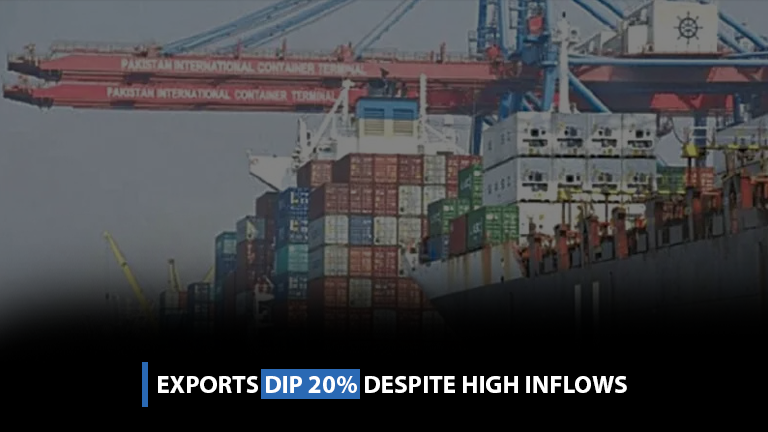
While Pakistan celebrates record-breaking remittances that touched $3.59 billion in December 2025, a troubling economic reality lurks beneath the surface. The country’s export sector continues its downward spiral, exposing a dangerous dependency on overseas workers rather than productive economic activity.
The contrast has become evident as recent data showed remittances growing by 16.5% year-on-year in December, while exports plummeted 20.4% to just $2.32 billion during the same month. This stark divergence has raised alarm bells among industry leaders, who warn that the country cannot rely indefinitely on money sent home by migrant workers.
Mudassar Masood Chaudhry, former executive committee member of the Lahore Chamber of Commerce and Industry (LCCI), highlighted the structural weaknesses plaguing Pakistan’s economy. According to Chaudhry, the country has suffered from an overvalued exchange rate for prolonged periods, while the investment-to-GDP ratio remains unusually low, indicating that consumption has reached unsustainable levels.
“The increase in remittances is welcoming, but on the other hand, the export sector is continuously weakening,” Chaudhry said. He suggested that when remittances increase, the central bank should not allow them to flow unrestrictedly into consumption but should instead build foreign exchange reserves. “The government needs to create an FDI policy that channels capital into technology, export and productive sectors, while discouraging speculative investment in low-productivity sectors like real estate,” he added.
Analysts and economists offered a more critical assessment of the situation, saying Pakistan’s economic model has become dangerously lopsided. They noted that the economy is increasingly being sustained by poor workers who leave the country in search of better opportunities, while the domestic industrial base continues to erode due to the absence of an effective policy framework to reverse the trend. This, they argued, is not sustainable development but managed decline disguised as stability.
The numbers paint a sobering picture. During the first six months of FY26, Pakistan’s trade deficit expanded by nearly 35% to $19.20 billion, as exports fell by 9% while imports rose by 11%. The textile sector, which accounts for more than half of Pakistan’s exports, has also seen its share decline, signalling deeper competitiveness issues.
The Only Financial Information Platform You Need
Tresmark is the market leader, the only tool you need for a full picture od the financial markets