- January 9, 2026
- Posted by: Tresmark
- Category:
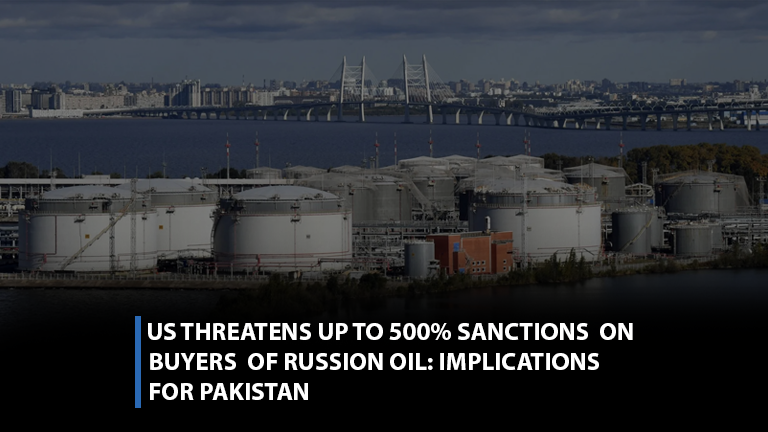
The U.S. government, with backing from President Donald Trump and Republican Senator Lindsey Graham, has approved moving forward with a new sanctions law aimed at punishing Russia and the countries that keep buying its oil despite Western sanctions. This proposed legislation, often referred to as the Sanctioning Russia Act, is bipartisan and could soon be up for a vote in the U.S. Congress.
Under the bill, the U.S. could impose very high tariffs (as much as 500%) on imports from any country that is still purchasing significant amounts of Russian crude oil or related energy products. China, India and Brazil are specifically mentioned as potential targets because they currently make up a large share of Russia’s energy customers.
The U.S. says these measures are designed to cut off money flowing to Russia’s government that could be used to finance its ongoing war in Ukraine. Washington argues that buying discounted Russian oil helps fuel President Vladimir Putin’s military operations.
India, for example, has been a major buyer of Russian crude, which has accounted for a sizeable portion of its overall oil imports. Although Delhi claims its purchases are about energy security rather than politics, the U.S. has already slapped heavy tariffs on Indian goods and is threatening to raise them further if India doesn’t reduce its dependence on Russian energy. ([Pakistan Today][1])
The sanctions bill still needs full Congressional approval, but Trump’s support signals that it could soon become law.
What This Could Mean for Pakistan
While the article focuses mainly on India and other big energy buyers, this kind of U.S. policy shift could have several indirect effects on Pakistan:
1. Global Energy Prices Could Rise:
If major buyers like India or China are forced to stop buying Russian crude, global oil markets might tighten and prices could go up. Analysts have warned that sanctioning Russian oil could disrupt supply and push Brent crude prices higher, affecting energy-importing countries.
Pakistan, which imports most of its oil, could face higher fuel cost, worsening inflation or trade deficits.
The Only Financial Information Platform You Need
Tresmark is the market leader, the only tool you need for a full picture od the financial markets
2. Trade and Diplomatic Alignments:
Pakistan is not a major buyer of Russian oil compared with India or China, but it does trade with Russia and has been diversifying its energy and strategic ties.
A tougher U.S. stance on Russia might push Pakistan and other non-Western countries to reconsider their foreign policy and trade alignments — perhaps leaning more on Russia, China or Middle Eastern suppliers if Western markets become politically complicated.
3. Impact on U.S.–Pakistan Relations:
A more aggressive U.S. sanctions strategy could strain Washington’s relationships with countries that don’t fully align with U.S. foreign policy, even if Pakistan isn’t directly targeted.
Pakistan and the U.S. have complex ties involving security cooperation, economic aid, and geopolitical competition. Changes in U.S. global priorities (like focusing sharply on punishing Russia’s partners) could translate into shifts in diplomatic engagement with Islamabad.
4. Regional Economic Ripple Effects:
Pakistan’s economy is sensitive to regional trade and investment climates. If sanctions disrupt India’s growth or its trade patterns with neighbors, this could indirectly affect Pakistan through regional supply chains, foreign investment flows, or currency volatility.
For example, higher oil costs or reduced demand in big regional markets could impact commodity prices and remittances